


There is increasing recognition of the value of the study of music in classical education. What I mean is not that we ought to offer our students the chance to sing in a choir or learn an instrument, though of course we should. But as long as such activities are not required of every student, they are extracurricular, and the message is that they are luxuries that one may take or leave. If we require every student to take them, then they become what I would call barely curricular: a core part of the student’s education, but a part that remains disconnected from the rest. The awakening I am referring to (one to which I have personally devoted no small labor) is to a conception of music as truly co-curricular, which moves it beyond the music classroom and into every other sort of classroom. This is a very happy development, and I hope it will continue.
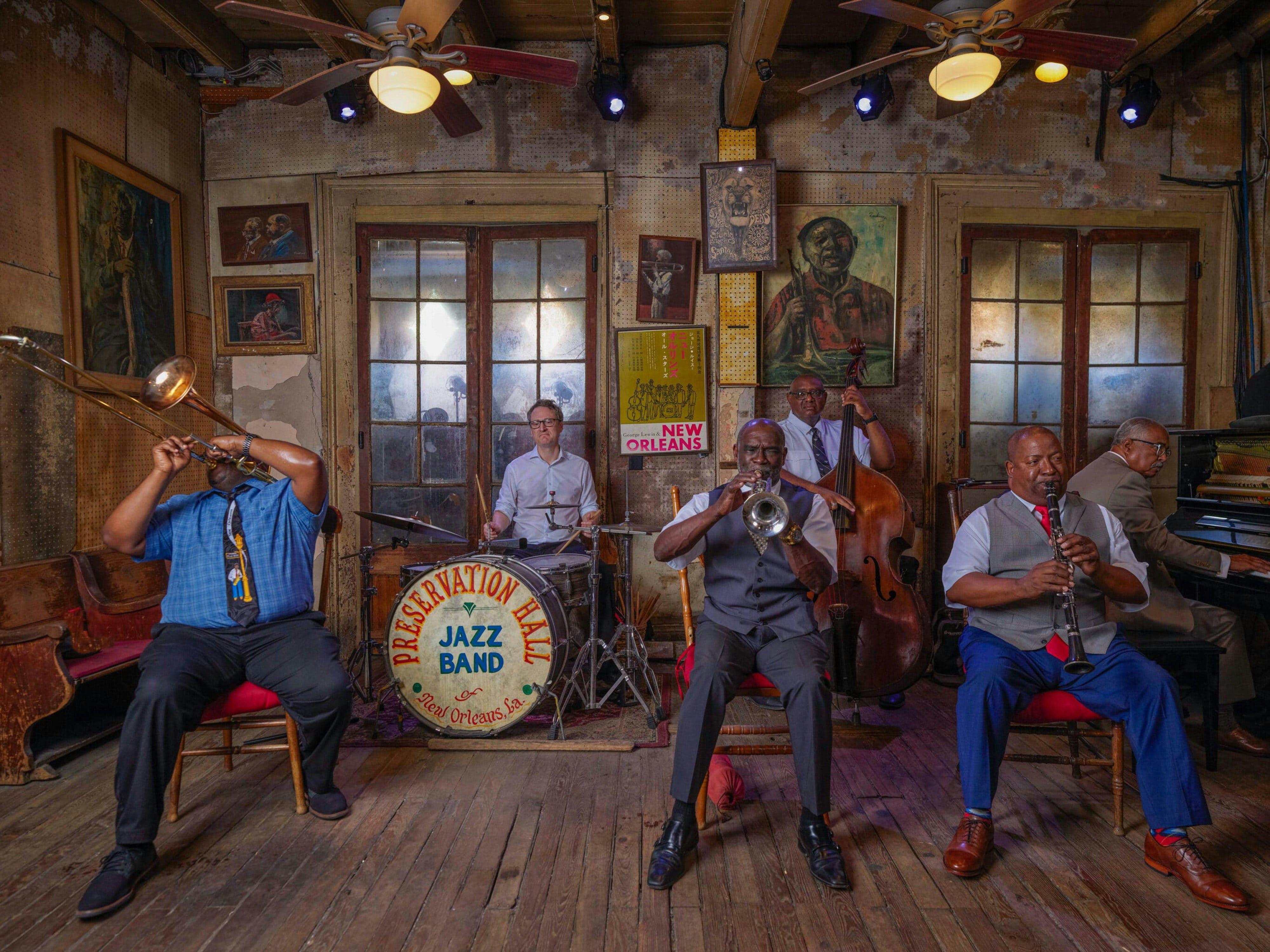
But now that we have got the ball rolling on a vision for music as co-curricular, it is time for a course correction. For as I have been talking to people about this vision, very quickly the question of genre arises. Sometimes it is posed negatively (“how do we keep the students from listening to pop music?”) and sometimes positively (“how do we get them interested in good music?”); either way, it assumes that there is a genre or type of music we would want to bring into the classroom, and that the rest ought to be excluded, and maybe we should stop the students listening to them if we can. Once we accept that frame, there’s almost no competition for the elite genre: it will be classical. The choice is fairly natural (it is right there in the name, after all: classical education, classical music), and is further motivated by the elitism that has attached to classical music for the last two hundred years. The conclusion that classical music is serious music and all else is popular, and therefore less intellectually rich, is hard to avoid.
This supposition is, as I have said, cultural elitism. Much of the music that would be accepted as high art today was popular music in the day to which it belonged; it became high art through preference, prejudice, class privilege, and historical accident. It is not an inherently superior form, neither in terms of seriousness nor intellectual depth.
By this observation, I mean not to take anything away from classical music. It is an incredibly powerful, rich, and deep form of musical reflection. It ought to pervade our classrooms and our conversations. But it should not do so at the expense of other forms of music. One such form in particular is worthy of our consideration, because the method of the genre as a whole provides powerful analogy to a core aspect of the project of classical education: jazz.
It is jazz’s manner of saying things that I want to underscore. To those who have not become proficient in the performance of both, it often seems that classical music is harder than jazz. Classical music demands rigorous adherence to the parameters of the piece, spelled out not only in precise notes for each instrument to play, but even in indications that tell the musician how fast to play, and how loud, and with what manner of articulation. The classical musician must get all of this right, and yet still manage to express musicality, which is something that not only goes beyond strictures, but even pulls against them. By contrast, jazz often gives the musician simply a melody and a chord progression. Once the melody has been played a time or two, the solos begin, and then it is all improvisation. As long as the musician respects the key, she is free to do whatever she wants.
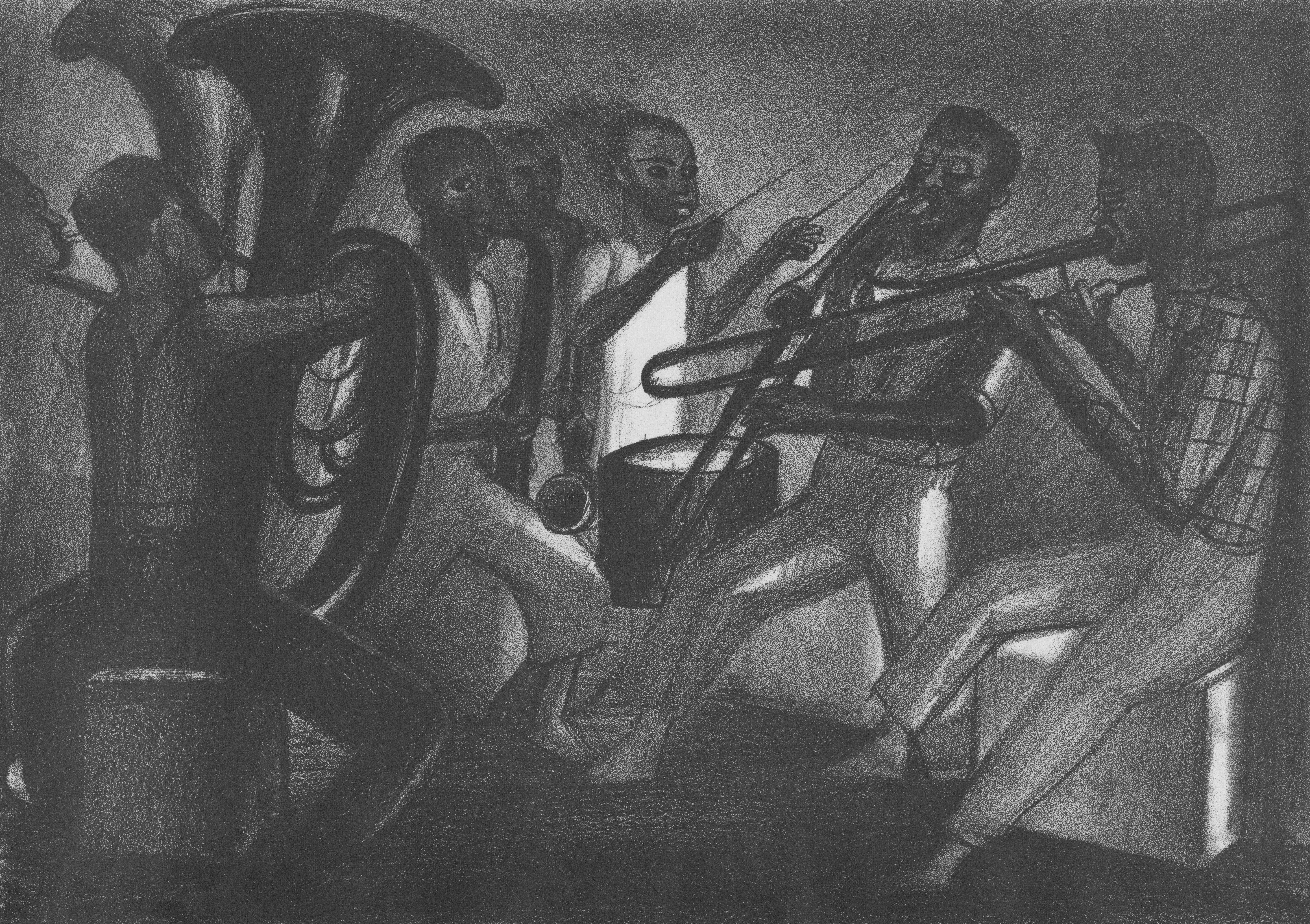
But this impression is predicated on a misunderstanding of the nature of jazz and of improvisation. At its core, jazz is all about the interaction between the existing composition (the sort of thing that classical music is all about) and spontaneous creation. Especially in the early days, jazz was all about the standard (a tune you know) and the improvisation. But improvisation is not doing simply whatever you want; put another way, more constrains the performer than just the key signature or the chord progression. The improvised solo is in conversation with the melody; it belongs to this song, even if it does not recapitulate a single phrase of the melody. The fact that I am playing this solo after you have heard the familiar melody of “A Night in Tunisia” or “The Sunny Side of the Street” places the solo in an irrevocable context and conditions its meaning.
To complicate matters further, the key signature does not constrain in the same way that it does in classical music. In a classical piece, if I am writing in the key of C, I can still fit a C# into the piece; but I have to do some fancy harmonic footwork (technical things like a secondary dominant or an augmented sixth chord). That is to say, I have to look at synchronicity, the other notes that are sounding at the same time. Jazz is different. Miles Davis is said to have said: “It’s not the note you play that’s the wrong note – it’s the note you play afterwards that makes it right or wrong.” The ear, as it follows the improvised solo, privileges the diachronic relationship: the notes that sound immediately before and after. Both the jazz musician and the classical musician can play a C# in the key of C, but they have differing strategies and considerations to bring to it.
With classical music, it rests with the composer to make the choice of what note to play next and how to make it all make sense in the current key. As the performer, I just have to play what’s on the page. In jazz music, it rests with the performer. And what is he going to draw on to make the note he just played the right one? A dizzying array of music theory that outlines the various modes of scales: Ionian, Dorian, Phrygian, Lydian, Mixolydian, Aeolian, and Locrian (notice how they all have Greek names?). When I studied jazz, we learned all these scales and practiced them; but even for a jazz musician without formal training, these scales are present. They are in their ear, and it is according to them that they modulate their notes and establish consonance. Jazz music is much harder for the performer, all things being equal, because the performer is not allowed to be only a performer, but must at the same time be a composer.
I said a moment ago that jazz and classical have different strategies, but this is not entirely true. Jazz has no scales that aren’t also available to classical music, and classical music has no harmonies that are not also available to jazz. The difference lies in the fact that jazz asks the performer not simply to present the set material, altering only non-essentials to make an interpretation, as classical music does. Jazz demands that the performer take up the established melody and chord progression in a way unique to that performer and that performance. It asks me to receive what has been handed on to me by the composer, and then, in conversation with what other jazz musicians before me have done, to put my own mark on it, which will become my entry into the conversation.
This dual role of the jazz musician grounds the reason jazz is such a powerful image for the project of classical education. The great Western tradition is a conversation: part of what is cool about reading Augustine, Boethius, and Aquinas is that Boethius was reading Augustine, Aquinas was reading both, and they were all reading Aristotle. When we read these authors, we listen in on a conversation stretched over more than 1,500 years. The point of reading them is not simply to note the facts of what each author said, because classical education is about engagement. The learning objective, to speak in modern terms, is not to encounter but to engage. Our task is to take up the rich tradition that has been handed to us, and to do so in our own way, modulated by all we have learned since these great men and women wrote, and by the peculiar challenges of the present time. The rote reception of tradition, which merely parrots the tradition, is dead, and contributes to killing rather than enlivening the tradition. A reception that is living and fruitful is one that is improvisational.
And so, as we continue the work to deepen our engagement with music in our curricula, I urge us, alongside great classical music (for there is also trite and even bad classical music), to include great jazz.
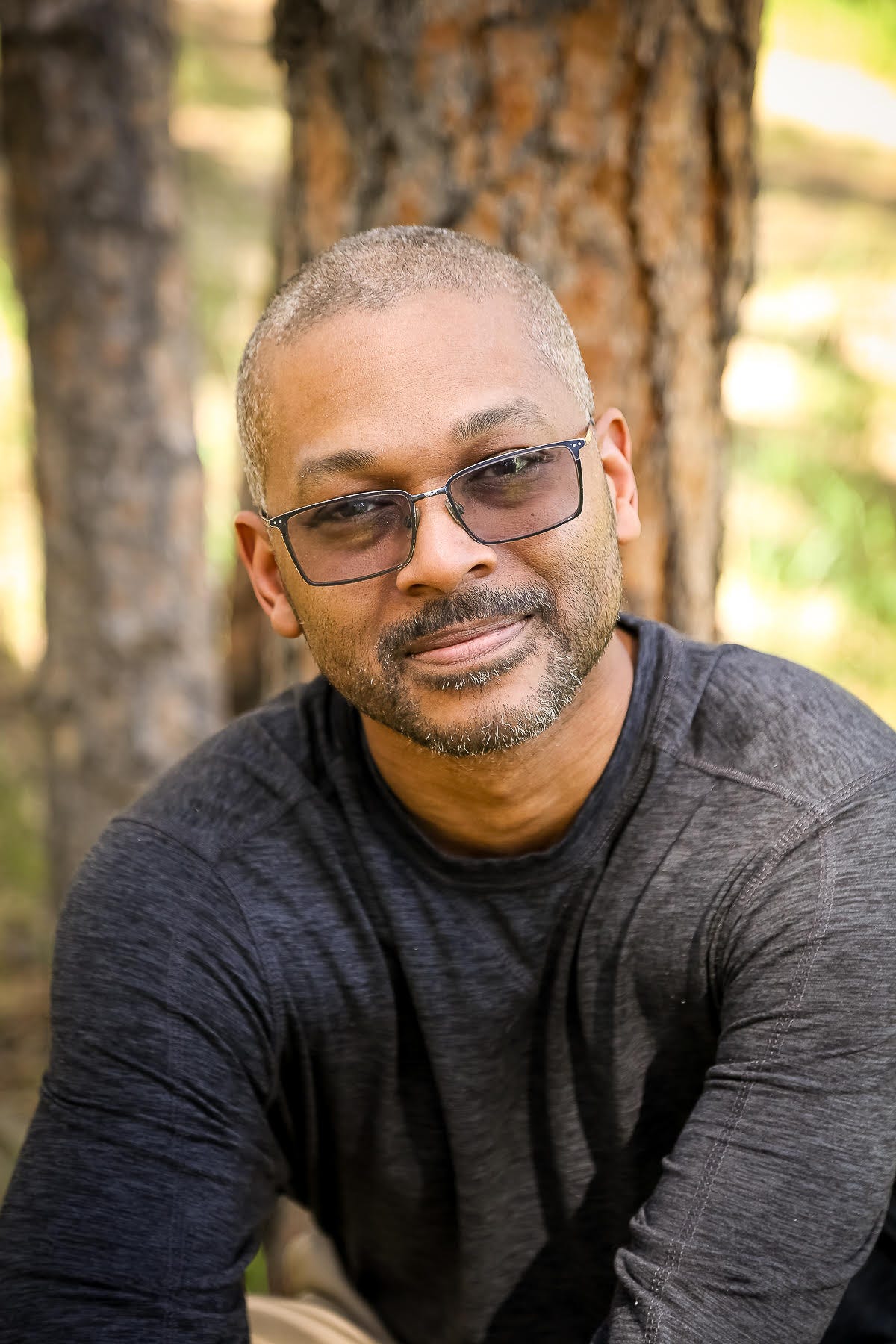
Junius Johnson is a writer, teacher, speaker, independent scholar, and musician. His work focuses on beauty, imagination, and wonder, and how these are at play in the Christian and Classical intellectual traditions. He is the executive director of Junius Johnson Academics, through which he offers innovative classes for both children and adults that aim to ignite student hearts with wonder and intellectual rigor. An avid devotee of story, he is especially drawn to fantasy, science fiction, and young adult fiction. He performs professionally on the french horn and electric bass. He holds a BA from Oral Roberts University (English Lit), an MAR from Yale Divinity School (Historical Theology), and an MA, two MPhils, and a PhD (Philosophical Theology) from Yale University. He is the author of 5 books, including The Father of Lights: A Theology of Beauty and On Teaching Fairy Stories, and has authored volumes and been a contributing writer for the Humanitas series of history textbooks with Classical Academic Press. An engaging speaker and teacher, he is a frequent guest contributor to blogs and podcasts on faith and culture. He is co-host of The Classical Mind podcast and the Director of Education for The Cultivating Project.